
Domain vs Subdomain – We all (Mostly related to web hosting) might have come across this term domain and subdomain, but the one who is new to web hosting and its services might still be facing this confusion in understanding both terms, so for them, we have brought you this article to give a clear understanding about Domain and Subdomain. Let us understand both one by one.
Table of Contents
What is a domain?
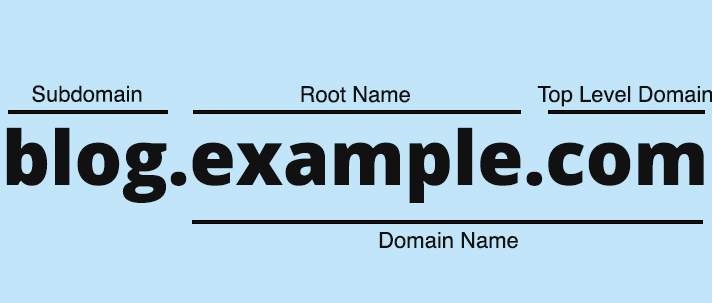
A domain is used to translate an IP address into a human readable string using a technology known as DNS (Domain Name System). In essence, a domain is the main address of a website.
An example of a domain is “domainregistrationindia.co.in”.
What is a subdomain?
Subdomains are used to expand the use of a single domain, these do not need to be purchased separately to your domain; if you own a domain then you can add a subdomain to this.
An example of a subdomain is “elearning.domainregistrationindia.co.in.”
“elearning” being the subdomain to the domain “domainregistrationindia.co.in”
The subdomain can be any string of text that can also include numbers and hyphens if required, however it is recommended to keep subdomains short to make then easy to remember.
Domain vs subdomain: When to use each
When to use a domain
Domain names are essential for any business, product, or service that requires website visitors and customers, as a domain name is what visitors use to find and remember your website.
This means the most appropriate time to use a domain is when creating a brand-new website.
So, let’s say you already have a travel blog where you share your adventures with readers. But now you want to start a food blog. Do you need a new domain name, or can you opt for a subdomain?
For this scenario, you should create a new domain to separate the two. This will create a clear distinction between the two brands so that your visitors don’t get confused.
However, if you have a travel blog and want to add an online store where you sell some of the exciting pieces you’ve bought along your journeys, then adding a subdomain might be more appropriate.
When to use a subdomain
Subdomains are often used to direct visitors to different sections of larger websites and can be especially useful for organizing resources in a way that’s easy to understand and navigate.
???? People usually create subdomains when they are:
- Starting an eCommerce store that’s relevant to their primary website (store.yourdomain.com)
- Adding a business blog to their website (blog.yourdomain.com)
- Creating a resource section for website visitors (resources.yourdomain.com)
- Creating a support section (support.yourdomain.com)
Subdomains can also be helpful if you’re testing out new features or products. You can quickly create the subdomain and test what you need to without it is affecting your primary website.
You can also use subdomains for specific types of users or clients. For example, let’s say you’d like to add a subscription or membership area to your website. Subdomains are great for keeping those members separate from your regular website visitors. For example, you might have login.yourdomain.com, members.yourdomain.com, or subscribers.yourdomain.com as private areas for your members.
Advantages of Domains and Subdomains
let’s take a look at the different advantages of Domains and Subdomains
Domains
The advantages of domains are as follows:
- Controls Your Brand
If you don’t purchase a domain name with your business name, someone else might purchase it and take control of your brand. Popular websites like Google or Facebook have bought domain names with several domain extensions to ensure that their brand reputation remains intact and they have complete control over their brand name.
- Adds Credibility to Your Business
This is an advantage that applies to both a domain and a subdomain. A website with your business’s name adds credibility to your brand and gains customers’ trust. Having a domain name assures customers that your business is trustworthy and legit.
- Increases SEO
A domain name can play a key role in making your site rank high on search engines. This is because having a keyword in your domain name can help your website rank higher in search results. Of course, there are other factors like the placement of keywords and marketing that impact your brand’s SEO, but a domain name is a good place to start.
Subdomains
Subdomains have advantages too:
- Targets Specific Audience
It’s important to understand what is a domain and a subdomain in order to ensure that your audience can find you easily. A subdomain can be used to target a specific audience or market. For example, if you have a website about cars, you could create a subdomain for car reviews. This would make it easier for people who are looking for car reviews to find your website.
- Allows You to Test New Content
A subdomain can be a great way to test out new content or ideas on your website. This is because a subdomain is like a separate website, so even if your idea has technical limitations, it won’t affect your main website.
- Helps with SEO
Both subdomain and domain can help you get rankings when used in the right way. A subdomain is like a separate website, and you can optimize each subdomain for specific keywords. You can add inbound links to your main website to increase traffic as well.
Domain vs subdomain Domain vs subdomain Domain vs subdomain Domain vs subdomain Domain vs subdomain Domain vs subdomain Domain vs subdomain Domain vs subdomain Domain vs subdomain

